Walk-In Cooler Preventive Maintenance Before Massachusetts Summer Heat
Short answer: how to prepare your walk-in cooler before Massachusetts summer
Massachusetts restaurants and food businesses should schedule walk-in cooler preventive maintenance before sustained summer heat arrives, ideally in spring or early summer. A qualified commercial refrigeration technician should clean coils, verify airflow, test controls, inspect door seals, check refrigerant-side performance, review electrical components, and confirm safe operating temperatures before hot kitchens, humidity, and busy service periods increase system load.
For restaurants, commercial kitchens, grocery stores, liquor stores, convenience stores, hotels, and supermarkets, summer is not the time to discover that a walk-in cooler is barely keeping up. A cooler that seemed fine in March can struggle in July when the kitchen is hot, deliveries are frequent, staff are opening the door constantly, and outdoor condensing units are exposed to warm, humid Massachusetts air.
This guide explains what to expect from walk-in cooler preventive maintenance Massachusetts businesses can use before the busiest and hottest months. It also covers the symptoms to watch for, what a refrigeration tune-up should include, when to repair versus replace components, and when a problem becomes urgent enough to call for emergency refrigeration repair.
Why Massachusetts summer conditions are hard on walk-in coolers
Walk-in coolers are designed to remove heat from the box and reject that heat somewhere else, usually through a condenser located outdoors, on a roof, in a mechanical space, or behind the building. During mild weather, a cooler may reach setpoint even if the equipment is dirty, airflow is restricted, or a door gasket is leaking. Summer exposes those weaknesses.
In the Boston metro area, including Boston, Cambridge, Quincy, Newton, Waltham, and Framingham, many restaurants operate in tight spaces with limited ventilation, warm prep areas, roof-mounted equipment, and heavy lunch and dinner rushes. In Worcester, Lowell, Springfield, and surrounding Massachusetts communities, grocery stores, liquor stores, and convenience stores may have high product turnover and frequent door openings during peak season. All of this adds heat and moisture that the refrigeration system must remove.
Common summer stress factors include:
- Higher ambient temperatures around condensers, especially rooftop or outdoor units exposed to direct sun.
- Humid air entering the box whenever doors are opened, which can contribute to frost, condensation, and longer run times.
- Hot kitchen conditions near cooking lines, dish rooms, prep areas, and delivery doors.
- Increased product loading from busy weekends, catering events, bar service, and seasonal menus.
- Dirty condenser coils from pollen, grease, dust, cottonwood, debris, or restricted mechanical rooms.
- Worn door gaskets or weak closers that allow warm air infiltration around the door.
Preventive refrigeration maintenance is about finding these vulnerabilities before the box temperature climbs and product is at risk.
When should a commercial kitchen schedule walk-in cooler service before peak season?
The best time to schedule walk-in cooler service before summer is before the first extended heat wave, not after the cooler starts alarming. For many Massachusetts businesses, that means late April, May, or early June. If your restaurant, hotel, market, or store has a known busy season, schedule service several weeks before that demand increases.
Scheduling early gives your commercial refrigeration technician time to complete the tune-up, identify worn parts, quote repairs if needed, and return for corrective work without forcing you into an emergency decision. It is also easier to plan around inventory, deliveries, and kitchen prep schedules when the system is still operating.
Businesses that should prioritize earlier summer refrigeration maintenance include high-volume restaurants in Boston and Cambridge, grocery stores with large walk-ins, liquor stores with beer caves or wine coolers, convenience stores with frequent deliveries, commercial kitchens supporting catering, and facilities with older equipment or a history of warm-box complaints.
If your cooler struggled last summer, ran constantly, needed repeated resets, or required walk-in cooler repair during hot weather, do not wait for the same pattern to repeat. A pre-season inspection can help determine whether the issue was caused by airflow, coil condition, refrigerant-side performance, electrical weakness, controls, door infiltration, or equipment capacity.
What should be checked during a walk-in cooler tune-up?
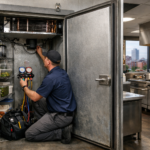
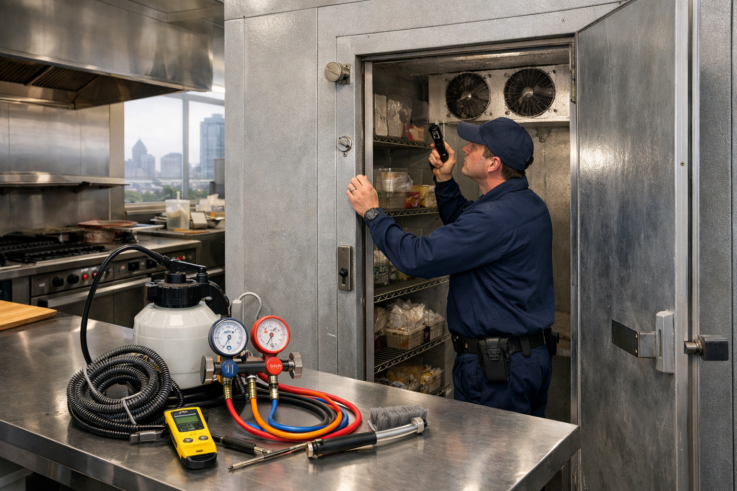
A quality refrigeration tune-up is more than glancing at the thermostat. It should evaluate the full operating system: the refrigerated box, evaporator, condenser, controls, electrical components, airflow, drainage, doors, and operating conditions. Royal Cooling approaches commercial refrigeration preventive maintenance with the goal of improving reliability, protecting product, and helping business owners make informed decisions before breakdowns occur.
1. Temperature performance and operating pattern
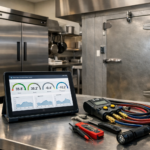
The technician should verify box temperature, compare readings at the controller with independent temperature measurements, and observe how the system cycles. A cooler that eventually reaches setpoint but runs nearly continuously may be telling you that it is losing capacity, taking on too much heat, or struggling to reject heat at the condenser.
2. Condenser coil condition
Condenser coils are one of the most important summer maintenance items. A dirty coil cannot reject heat efficiently. That can cause higher head pressure, longer run times, nuisance trips, compressor strain, and poor temperature recovery after deliveries. Depending on the location, coils may collect dust, grease, pollen, leaves, packaging debris, lint, or rooftop contaminants.
3. Evaporator coil and fan operation
The evaporator inside the walk-in must move cold air properly through the box. A technician checks for frost patterns, blocked coils, bent fins, noisy fan motors, weak airflow, and obstructions caused by product stacked too close to the coil. Poor evaporator airflow can create warm spots, icing, short cycling, and slow pull-down after the door has been open.
4. Door gaskets, hinges, sweeps, and closers
Door problems are a major cause of summer refrigeration issues. A torn gasket or sagging door can let humid air enter all day. That adds heat load, creates condensation, and can contribute to ice buildup. During restaurant cooler maintenance, the door should be checked for proper closure, gasket contact, latch condition, hinge alignment, threshold issues, and staff habits such as propping the door open during prep.
5. Electrical components and safeties
Summer heat increases run time, which increases stress on electrical parts. A preventive visit may include inspecting contactors, capacitors, wiring, terminals, disconnects, fan motors, control wiring, and safety controls. Loose connections or weak electrical components can become intermittent failures during peak demand.
6. Refrigerant-side indicators
A technician may review pressures, temperature split, superheat, subcooling, sight glass condition where applicable, and overall refrigerant-side behavior. Preventive maintenance is not the same as automatically adding refrigerant. Refrigerant should not be treated as a consumable. If readings suggest a leak or charge issue, proper diagnosis and repair should follow.
7. Drainage and moisture control
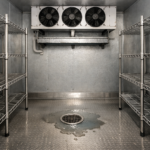
Drain lines, pans, and heaters where applicable should be checked. A clogged drain can lead to standing water, ice, slip hazards, odors, or recurring service complaints. In humid Massachusetts weather, moisture management becomes more important because every door opening can introduce warm, wet air into the box.
8. Defrost and control settings
Controls should be reviewed to confirm they match the equipment and the product being stored. Incorrect defrost timing, sensor placement, setpoint settings, or control calibration can cause avoidable temperature swings. The goal is stable operation, not overcooling, excessive runtime, or repeated alarms.
Maintenance tasks before summer: business staff vs technician
Restaurant and store teams can do several helpful tasks, but some work should be handled by a trained commercial refrigeration technician. The table below separates practical staff habits from professional service tasks.
| Area | What staff can do | What a technician should check | Why it matters before summer |
|---|---|---|---|
| Door and traffic habits | Keep doors closed, avoid propping doors open, report damaged gaskets, organize deliveries. | Inspect gaskets, hinges, closers, latches, sweeps, and door alignment. | Reduces warm humid air entering the box during busy service. |
| Airflow inside the cooler | Keep product away from evaporator fans and leave space for air circulation. | Measure airflow, inspect fan motors, check coil condition, evaluate frost pattern. | Improves temperature recovery after stocking and door openings. |
| Condenser area | Keep storage, trash, boxes, leaves, and debris away from outdoor or mechanical-room equipment. | Clean condenser coil properly, inspect fan operation, check operating pressures and electrical components. | Helps the system reject heat during hot Massachusetts afternoons. |
| Temperature monitoring | Log temperatures, respond to alarms, note when the box is slow to recover. | Verify control accuracy, sensor placement, cycling, and system performance. | Identifies weak performance before food or beverage inventory is affected. |
| Moisture and drains | Report standing water, ice, odors, or slippery floors. | Inspect drain lines, pans, heaters, and evaporator condition. | Prevents water and ice problems that worsen in humid weather. |
What maintenance helps a walk-in cooler handle hot kitchen conditions?
Hot kitchens create a constant load on refrigeration equipment. Ovens, fryers, dish machines, make-up air systems, loading doors, and staff traffic can push warm air toward the cooler. The most effective maintenance for these conditions focuses on heat rejection, air sealing, airflow, and control accuracy.
First, the condenser must be clean and able to breathe. If the condenser sits near grease exhaust, a dusty storage area, or a tight alley, it may require more frequent cleaning. Second, the walk-in door must close tightly every time. A self-closing hinge or door closer that no longer works can quietly cost a business through longer run times and unstable temperatures. Third, the evaporator needs unobstructed airflow. Product stacked directly in front of the fans can make one area freeze while another area runs warm.
For busy kitchens in Suffolk County, Middlesex County, Worcester County, and other Massachusetts service areas, staff training also matters. Ask employees to stage deliveries before opening the door, limit door-open time, avoid blocking fans, and report unusual noises or alarms early. Preventive maintenance and daily operating habits work together.
Warning signs to address before the next heat wave
Some symptoms do not mean the cooler has already failed, but they do mean it should be inspected before summer demand increases. Call for walk-in cooler service if you notice:
- The cooler reaches temperature in the morning but struggles during lunch or dinner rush.
- The condensing unit runs constantly or sounds louder than usual.
- Temperatures recover slowly after deliveries.
- Product near the door feels warmer than product near the evaporator.
- Ice or heavy frost appears on the evaporator coil, piping, or ceiling area.
- Water appears on the floor, around the threshold, or near the drain.
- The door does not close by itself or the gasket is torn, brittle, or pulling away.
- The controller shows alarms, erratic readings, or unexplained temperature swings.
- Staff have started lowering the setpoint to compensate for poor performance.
Lowering the thermostat is not a repair. If the cooler is losing capacity because of a dirty coil, airflow issue, door leak, failing fan, or refrigerant problem, setting the control colder can increase runtime without solving the cause.
Repair vs replace: what makes sense before summer?
Preventive maintenance sometimes reveals that a repair is needed. In many cases, repairing a specific failed or worn component is the practical choice. Examples include replacing a weak fan motor, damaged gasket, failing contactor, inaccurate sensor, clogged drain component, or worn door hardware. These repairs can improve performance and reduce the risk of a summer breakdown.
Replacement may be worth discussing when the system is older, repeatedly unreliable, unable to maintain temperature even after proper repairs, poorly matched to current business volume, or affected by major compressor or coil issues. A commercial refrigeration technician can help separate a correctable maintenance problem from an equipment lifecycle problem.
The timing matters. If you wait until a heat wave and the system fails while fully stocked, you may be forced to make a high-pressure decision. If you evaluate the equipment during a scheduled preventive visit, you can plan repairs, budget for upgrades, coordinate with operations, and reduce the chance of emergency downtime.
When is it an emergency refrigeration repair issue?
Preventive maintenance is designed to avoid emergencies, but business owners should know when to escalate. Call for urgent service if the walk-in cooler cannot maintain safe holding temperatures for the products stored, if temperatures continue rising, if the compressor or fans are not running, if there is a burning smell or electrical concern, if the unit is tripping breakers, or if alarms indicate a serious system failure.
For restaurants, grocery stores, hotels, liquor stores, and convenience stores, product loss and business interruption can move quickly. If you are unsure whether a situation is urgent, contact a qualified refrigeration company and describe the current temperature, product type, alarm history, recent maintenance, and whether the system is running.
How Royal Cooling helps Massachusetts businesses prepare
Royal Cooling provides commercial refrigeration service for Massachusetts businesses that depend on reliable cold storage, including walk-in coolers, walk-in freezers, reach-in refrigerators, wine coolers, freezers, and related refrigeration equipment. Our work supports restaurants, commercial kitchens, supermarkets, grocery stores, liquor stores, convenience stores, hotels, facility managers, property managers, and specialized spaces with temperature-sensitive inventory.
Whether you operate in Boston, Cambridge, Worcester, Quincy, Newton, Waltham, Framingham, Lowell, Springfield, or another Massachusetts community within our service area, the goal is the same: catch small issues early, reduce avoidable downtime, and keep refrigeration equipment prepared for summer conditions. Royal Cooling can help with commercial refrigeration preventive maintenance, seasonal refrigeration tune-ups, walk-in freezer service, wine cooler service, reach-in refrigerator service, and repairs when maintenance uncovers a problem.
If you are planning for summer, now is the time to review your equipment history. Which cooler ran warm last July? Which door does not close well? Which condenser sits near grease, dust, or debris? Which location has the heaviest delivery schedule? Those answers help prioritize service before peak demand.
Need to prepare your walk-in cooler before the Massachusetts summer heat? Contact Royal Cooling at 781-899-4441 or request service through our contact page. To see whether your location is within our coverage area, visit our Massachusetts service area page.
FAQ: walk-in cooler preventive maintenance before Massachusetts summer
How should Massachusetts restaurants prepare walk-in coolers before summer?
Schedule a preventive maintenance visit before sustained hot weather, clean and clear the condenser area, check door gaskets, organize storage for airflow, monitor temperatures, and have a technician verify controls, fans, coils, electrical components, drainage, and overall refrigeration performance.
What maintenance helps a walk-in cooler handle hot kitchen conditions?
Clean condenser coils, strong evaporator airflow, tight door seals, accurate controls, working fan motors, clear drains, and good staff habits all help. Hot kitchens add heat and humidity, so the cooler must reject heat efficiently and prevent warm air infiltration.
When should a commercial kitchen schedule walk-in cooler service before peak season?
Most Massachusetts commercial kitchens should schedule service in spring or early summer, before extended heat waves and peak business volume. If the cooler had problems last summer, schedule earlier so repairs can be completed before demand increases.
What should be checked during a walk-in cooler tune-up?
A tune-up should include temperature verification, condenser and evaporator inspection, coil cleaning as needed, fan operation, door gaskets and closers, electrical components, refrigerant-side performance indicators, drains, defrost settings, controls, and operating conditions around the equipment.
How often should a restaurant cooler receive preventive maintenance?
Frequency depends on equipment age, usage, location, and cleanliness. Many high-use restaurant coolers benefit from seasonal or planned maintenance, especially before summer. Systems exposed to grease, dust, heavy traffic, or outdoor debris may need more frequent attention.
Can staff perform walk-in cooler preventive maintenance themselves?
Staff can help by keeping doors closed, logging temperatures, reporting damage, keeping product away from fans, and clearing debris around equipment. Technical tasks such as electrical checks, refrigerant-side diagnostics, motor testing, and proper coil service should be handled by a qualified commercial refrigeration technician.
What are signs my walk-in cooler may need repair before summer?
Warning signs include slow temperature recovery, constant running, unusual noises, water or ice buildup, warm spots, damaged door gaskets, controller alarms, tripped breakers, or temperatures that rise during busy kitchen periods. These issues should be checked before hot weather worsens them.
Does preventive maintenance eliminate the risk of breakdowns?
No maintenance can guarantee that a breakdown will never happen, but preventive service reduces avoidable failures by finding dirty coils, airflow restrictions, weak components, door leaks, and control problems before they cause major downtime.
Schedule pre-summer refrigeration maintenance with Royal Cooling
Massachusetts summer heat is predictable. Walk-in cooler breakdowns do not have to be. If your restaurant, grocery store, liquor store, convenience store, hotel, or commercial kitchen depends on reliable cold storage, schedule preventive maintenance before peak season. Call Royal Cooling at 781-899-4441 or use the online contact form to request walk-in cooler service, a refrigeration tune-up, or help planning commercial refrigeration maintenance for your facility.