Commercial Refrigeration Preventive Maintenance Schedule by Equipment撃
Commercial Refrigeration Preventive Maintenance in Massachusetts: Short Answer
Most Massachusetts businesses should schedule commercial refrigeration preventive maintenance at least quarterly, with monthly in-house checks by staff. High-volume restaurants, grocery stores, liquor stores with large beer caves, and facilities with walk-in freezers may need monthly or bi-monthly professional service. A qualified commercial refrigeration technician checks temperature performance, coils, fans, drains, doors, controls, refrigerant indicators, electrical components, and defrost operation.
Why a Preventive Maintenance Schedule Matters for Massachusetts Businesses
Commercial refrigeration is not just another piece of back-of-house equipment. For restaurants, convenience stores, hotels, grocery stores, liquor stores, commissary kitchens, and facility managers across Massachusetts, refrigeration protects inventory, food quality, customer experience, and day-to-day operations. A cooler that drifts warm overnight in Boston, a walk-in freezer that builds ice in Worcester County, or a reach-in refrigerator that struggles during a busy weekend in Cambridge can quickly become an expensive operational problem.
This guide is designed for business owners and managers comparing service options for commercial refrigeration preventive maintenance Massachusetts. Instead of focusing on one emergency symptom or one component, it gives you a practical schedule by equipment type: walk-in coolers, walk-in freezers, reach-in refrigerators and freezers, prep tables, display cases, wine coolers, beer caves, and ice machines. It also explains what your staff can check, what should be handled by a licensed or qualified commercial refrigeration technician, and when repair or replacement should be considered.
Royal Cooling works with Massachusetts businesses that need dependable commercial refrigeration, freezer repair, walk-in cooler maintenance, walk-in freezer service, wine cooler service, reach-in refrigerator maintenance, and preventive refrigeration maintenance. Whether you manage a restaurant in the Boston metro area, a liquor store in Middlesex County, a convenience store near Waltham, a hotel kitchen in Quincy, or a facility in Framingham or Worcester, the goal is the same: keep equipment stable before a breakdown interrupts operations.
Recommended Maintenance Schedule by Equipment Type
The right maintenance frequency depends on equipment age, load, ambient temperature, door traffic, cleanliness, and business type. A low-volume reach-in in a breakroom does not need the same schedule as a walk-in cooler in a high-volume restaurant kitchen. Use the table below as a practical starting point, then adjust with guidance from a commercial refrigeration technician.
| Equipment Type | Staff Checks | Professional Preventive Maintenance | Why It Matters |
|---|---|---|---|
| Walk-in coolers | Daily temperature logs, door gasket check, keep shelves clear of fans | Quarterly for most businesses; monthly or bi-monthly for heavy use | Walk-in cooler maintenance helps prevent warm product, iced coils, drainage issues, and compressor stress. |
| Walk-in freezers | Daily temperature logs, watch for frost, confirm door closes tightly | Quarterly minimum; more often for restaurants, grocery stores, and high-door-traffic sites | Walk-in freezer service is critical because frost, defrost problems, and air leaks can escalate quickly. |
| Reach-in refrigerators and freezers | Daily temperature check, clean spills, avoid blocking airflow | Quarterly; before peak season for restaurants and hotels | Reach-in refrigerator maintenance protects prep flow, line service, beverages, and backup storage. |
| Prep tables and undercounter units | Check pans, lids, gaskets, and product temperatures during service | Quarterly or more often in greasy, high-volume kitchens | These units operate in hot kitchen conditions and often fail when coils, fans, or gaskets are neglected. |
| Beer caves, floral cases, and display coolers | Daily temperature and door checks, keep vents clear | Quarterly; monthly for high-inventory liquor stores and convenience stores | Stable temperature protects product quality and reduces condensation on doors and cases. |
| Wine coolers | Monitor temperature and humidity where applicable, keep airflow clear | Twice per year to quarterly depending on value of inventory and system type | Wine coolers need stable conditions; small temperature swings can affect sensitive inventory. |
| Ice machines | Visual cleanliness check, inspect bin, report cloudy ice or slow production | Follow manufacturer sanitation intervals; often quarterly or semiannual service | Ice machines require sanitation and performance checks, especially in food service and hospitality settings. |
Monthly In-House Refrigeration Checks Your Team Should Perform
Preventive maintenance starts with the people who use the equipment every day. Your staff does not need to diagnose sealed-system faults, electrical problems, or refrigerant issues, but they can catch early warning signs before a service call becomes urgent.
- Log temperatures daily. Record air temperature and, where required by your operation, product temperature. Look for patterns such as rising temperatures after lunch rush, overnight warming, or slow recovery after deliveries.
- Inspect door gaskets. Torn, hardened, loose, or greasy gaskets allow warm, humid air into the box. This can cause sweating doors, frost buildup, longer run times, and product temperature swings.
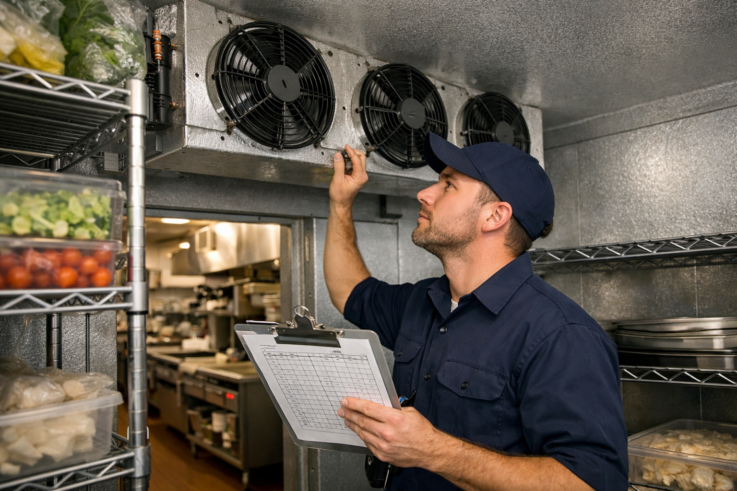
- Keep evaporator fans clear. Boxes and pans should not block airflow. Poor airflow can make one shelf too warm and another too cold.
- Watch for ice or frost. Frost on ceilings, around doors, on product packaging, or across the evaporator coil can point to air leaks, defrost problems, fan issues, or low airflow.
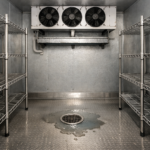
- Check drains and floors. Standing water, recurring puddles, or slime near a drain may indicate a clogged drain line, frozen drain, missing trap, or poor pitch.
- Listen for new noises. Grinding fans, buzzing contactors, clicking relays, and compressors that short cycle should be reported before the unit fails.
- Clean around equipment. Dust, flour, grease, cardboard, and clutter restrict heat rejection and make motors run hotter.
These staff checks do not replace professional preventive maintenance, but they improve the value of each service visit. When Royal Cooling arrives, your logs and observations help the technician understand whether the issue is constant, seasonal, or connected to heavy usage.
What a Commercial Refrigeration Technician Checks During Preventive Maintenance
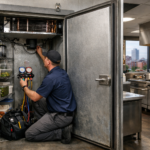
A professional preventive maintenance visit is more than wiping down a unit. A trained commercial refrigeration technician looks at how the system is operating as a complete refrigeration circuit and as part of your building environment. In Massachusetts, that environment can vary widely: humid summer kitchens in Boston, cold loading areas in Worcester, tight mechanical spaces in Cambridge, and mixed-use facilities in Waltham or Framingham.
Typical technician inspection points
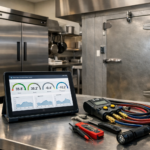
- Temperature performance: supply air, return air, box temperature, recovery time, thermostat or controller accuracy, and setpoint operation.
- Evaporator coil and fans: coil cleanliness, frost pattern, fan motor operation, fan blade condition, vibration, and proper airflow.
- Condenser coil and condensing unit: dirt, grease, cottonwood, leaves, blocked airflow, damaged fins, fan cycling, and motor condition.
- Defrost system: defrost timer or electronic control, heaters where applicable, termination settings, drain pan heating, and signs of incomplete defrost.
- Doors and box integrity: gaskets, hinges, closers, sweeps, thresholds, curtains, panel seams, and air infiltration points.
- Drainage: condensate drains, traps, heat tape where used, drain pan condition, and water flow.
- Electrical components: contactors, capacitors, relays, wiring condition, disconnects, amperage draw, loose connections, and heat damage.
- Refrigerant indicators: operating pressures, superheat/subcooling where appropriate, oil stains, sight glass condition if present, and symptoms consistent with leak or restriction. Refrigerant work should be handled by qualified personnel.
- Controls and sensors: thermostat calibration, temperature probes, pressure controls, safety controls, and alarm operation if installed.
- General equipment condition: corrosion, insulation damage, vibration, mounting, unusual noise, and age-related wear.
The objective is to find small problems before they become emergency refrigeration repair. For example, a weak condenser fan motor may still run during a mild week in Newton but fail during a hot July weekend. A walk-in freezer door that does not close firmly may seem minor until frost blocks airflow and the freezer stops freezing hard enough. A reach-in refrigerator with a dirty condenser coil may hold temperature overnight but struggle before a busy season.
Seasonal Schedule for Massachusetts Refrigeration Equipment
Massachusetts weather puts refrigeration systems through different stresses throughout the year. Preventive maintenance should account for spring pollen, summer heat and humidity, fall business changes, and winter airflow or outdoor condensing unit issues.
Spring: prepare before heat and humidity
Spring is a smart time for restaurant refrigeration maintenance, especially for operators in Boston, Cambridge, Quincy, Lowell, and Worcester preparing for patio season, graduations, catering, or tourism. A technician should clean condenser coils, verify fan operation, check refrigerant-related performance indicators, inspect door gaskets, test temperature controls, and confirm drains are clear. Staff should remove stored items from around condensing units and ensure walk-in shelves are not overloaded.
Summer: monitor load, recovery, and condensation
Summer is when weak systems often reveal themselves. Hot kitchens, frequent deliveries, and humid air create longer run times. Walk-in cooler maintenance during summer should focus on airflow, door sealing, coil condition, and temperature recovery after doors are opened. Liquor stores and convenience stores should watch beer caves and display cases for sweating glass, warm shelves, or fans running continuously. If a cooler cannot recover after a delivery or rush period, schedule service before it becomes a product-loss situation.
Fall: inspect wear after peak demand
After summer, systems may have accumulated dirt, grease, and wear. Fall is a good time to check contactors, capacitors, fan motors, defrost cycles, gaskets, and drain lines. Facility managers and property managers often use this season to review service history and decide whether older equipment should be repaired, upgraded, or placed on a more frequent preventive maintenance plan.
Winter: protect freezers, drains, and outdoor components
Winter in Massachusetts can create its own refrigeration challenges. Outdoor condensing units may face snow, ice, wind exposure, and restricted airflow. Indoor walk-in freezers may develop more frost when doors are propped open during deliveries or when gasket problems allow humid indoor air to enter. A winter service visit should include defrost review, drain function, door heater checks where applicable, outdoor unit clearance, and verification that controls are operating correctly in colder ambient conditions.
How Often Should a Restaurant Schedule Commercial Refrigeration Maintenance in Massachusetts?
Most restaurants should schedule professional commercial refrigeration preventive maintenance quarterly, plus monthly staff checks. High-volume restaurants, bakeries, commissary kitchens, hotels, and kitchens with older equipment may benefit from monthly or bi-monthly visits. Restaurants put more stress on equipment than many other businesses because units are opened constantly, kitchens are hot, grease can coat coils, and food inventory changes throughout the day.
If your restaurant has a walk-in cooler, walk-in freezer, multiple reach-ins, prep tables, undercounter units, and an ice machine, a single failure can affect prep, line service, bar service, and storage. Preventive maintenance is especially important before busy seasons, holidays, catering peaks, and summer humidity. If you are unsure what frequency is appropriate, Royal Cooling can review your equipment list, operating hours, service history, and risk tolerance, then recommend a schedule that fits your operation.
What Maintenance Does a Walk-In Cooler Need Throughout the Year?
Walk-in coolers need consistent attention because they are opened frequently and often hold high-value inventory. Throughout the year, staff should log temperatures, check gaskets, keep product away from evaporator fans, avoid blocking the door, and report ice, water, odors, or unusual noises. Professional walk-in cooler maintenance should include coil cleaning, fan inspection, drain cleaning, control testing, thermostat calibration, door hardware review, electrical inspection, and performance testing.
A walk-in cooler that needs service may show symptoms such as warm product, frequent cycling, high humidity, sweating walls, puddles, iced evaporator coils, noisy fans, or a door that no longer closes firmly. Causes can include dirty coils, failed fan motors, clogged drains, torn gaskets, weak door closers, incorrect defrost settings, low refrigerant, control problems, or compressor wear. When these symptoms appear repeatedly, it is better to schedule walk-in cooler repair before the system fails during service hours.
What Should Be Checked on Reach-In Refrigerators and Freezers Before a Busy Season?
Before a busy season, reach-in refrigerator maintenance should focus on temperature stability, airflow, door sealing, coil condition, and electrical reliability. Staff should empty old product, clean interior spills, verify thermometers, check that doors self-close, and make sure pans or containers do not block vents. A technician should clean condenser coils, inspect evaporator fans, check gaskets and hinges, test controls and sensors, verify defrost operation, review compressor cycling, and look for signs of refrigerant or electrical issues.
Reach-ins are easy to overlook because they are smaller than walk-ins, but they often work hard in hot kitchens. A reach-in that runs warm may be suffering from a dirty condenser, blocked airflow, worn gasket, failing fan motor, inaccurate thermostat, or low charge condition. Before holidays, patio season, large events, or back-to-school demand, it is wise to service reach-ins so your team is not relying on marginal equipment during peak volume.
Is Preventive Maintenance Different for Liquor Stores, Restaurants, and Grocery Stores?
Yes. The core principles are similar, but the maintenance priorities are different by business type. Restaurants usually deal with grease, heat, rapid door openings, and multiple small units. Liquor stores may rely on beer caves, walk-in coolers, display doors, and wine coolers where appearance, condensation control, and consistent beverage temperature matter. Grocery stores and supermarkets have more cases, more product zones, and a higher need for coordinated maintenance around store hours and inventory protection.
Convenience stores often combine reach-ins, beverage cases, ice machines, and small walk-ins in tight spaces. Hotels may have banquet kitchens, bar refrigeration, ice machines, and reach-ins spread across multiple areas. Facility managers and property managers may be responsible for tenant equipment, shared mechanical spaces, or specialty cooling assets. Homeowners with wine coolers or dedicated freezers may need periodic service to protect valuable inventory, although the schedule may be less frequent than a commercial kitchen.
Repair vs. Replace: When Maintenance Finds a Bigger Issue
Preventive maintenance sometimes reveals a question every business owner eventually faces: should the equipment be repaired or replaced? There is no one-size-fits-all answer. A technician considers equipment age, condition, parts availability, refrigerant type, prior repair history, energy performance, and how critical the unit is to your operation.
- Repair may make sense when the equipment is relatively modern, the box or cabinet is in good condition, the problem is isolated, and the repair cost is reasonable compared with replacement.
- Replacement may be worth discussing when a unit has repeated compressor failures, severe corrosion, obsolete controls, poor efficiency, refrigerant concerns, chronic temperature instability, or repair costs that keep stacking up.
- A maintenance plan can help you decide because service history shows whether an issue is a one-time failure or a pattern.
For example, replacing a gasket or fan motor on a good reach-in may be straightforward. Continuing to repair an old walk-in freezer with failing insulation, repeated icing, and hard-to-source components may not be the best long-term decision. Royal Cooling can help evaluate the practical options so you can plan instead of reacting under pressure.
Emergency Warning Signs That Should Not Wait for the Next Maintenance Visit
Preventive maintenance reduces risk, but it does not mean you should ignore urgent symptoms. Call for service if you notice any of the following:
- Food, beverage, or product temperatures rising above your acceptable range
- A walk-in freezer that is softening product or building heavy frost quickly
- A cooler or freezer compressor short cycling, clicking, or not starting
- Burning smells, tripped breakers, melted wiring, or electrical buzzing
- Water pooling near electrical components or creating a slip hazard
- Evaporator fans not running, grinding, or hitting ice
- Repeated alarms, controller errors, or loss of display
- A reach-in refrigerator not recovering temperature after doors stay closed
If you need help evaluating a refrigeration issue, call Royal Cooling at 781-899-4441 or use the contact page. For broader local availability information, visit the service area page. If product safety is at risk, follow your internal food safety procedures and do not rely on equipment that cannot maintain required temperatures.
How to Prepare for a Preventive Maintenance Visit
A little preparation helps your technician work efficiently and gives you better results. Before the visit, gather your equipment list, model and serial numbers where available, prior repair notes, temperature logs, and any recurring symptoms. Clear access to mechanical areas, rooftops, walk-ins, reach-ins, and electrical disconnects. Let managers know when the technician is scheduled so they can explain operational concerns such as morning warm-ups, evening alarms, or units that struggle only during deliveries.
For restaurants, it may help to schedule service outside the busiest prep or service window. For liquor stores and convenience stores, make sure beverage cases and beer caves are accessible. For hotels and facilities, identify all refrigeration assets across kitchens, bars, storage rooms, and mechanical spaces. The more complete the picture, the easier it is to create a preventive maintenance schedule that fits your actual risk.
Why Massachusetts Businesses Choose a Local Refrigeration Maintenance Partner
Commercial refrigeration service is local by nature. A technician who understands Massachusetts building conditions, seasonal weather, dense Boston metro kitchens, older properties in Suffolk County, mixed commercial sites in Middlesex County, and operational demands in Worcester County can ask better questions and schedule maintenance more strategically. Royal Cooling serves Massachusetts businesses that need practical support for commercial refrigeration, walk-in coolers, walk-in freezers, reach-in refrigerators, wine coolers, freezer repair, and preventive maintenance.
The best plan is not always the most frequent plan. It is the plan that matches your equipment, hours, inventory value, and tolerance for downtime. A high-volume restaurant in Boston may need a different schedule than a liquor store in Newton, a convenience store in Lowell, a hotel kitchen in Quincy, or a facility in Framingham. Royal Cooling can help you prioritize the equipment that matters most and build a maintenance rhythm that supports your operation.
FAQ: Commercial Refrigeration Preventive Maintenance in Massachusetts
How often should a restaurant schedule commercial refrigeration maintenance in Massachusetts?
Most restaurants should schedule professional refrigeration maintenance quarterly, with monthly in-house checks. High-volume kitchens, older equipment, heavy grease exposure, or walk-in freezers may require monthly or bi-monthly service.
What maintenance does a walk-in cooler need throughout the year?
A walk-in cooler needs daily temperature logs, gasket checks, clear airflow, coil cleaning, drain inspection, fan testing, thermostat calibration, electrical review, and seasonal checks for humidity, frost, and door sealing.
What should be checked on reach-in refrigerators and freezers before a busy season?
Before a busy season, check temperature recovery, gaskets, hinges, condenser coils, evaporator fans, defrost operation, thermostat accuracy, airflow, compressor cycling, and signs of electrical or refrigerant-related problems.
Is preventive maintenance different for liquor stores, restaurants, and grocery stores?
Yes. Restaurants often need more attention to grease, heat, and door traffic. Liquor stores focus on beer caves, display coolers, and condensation control. Grocery stores typically need coordinated service for multiple cases and storage zones.
Can staff perform commercial refrigeration preventive maintenance?
Staff can handle basic checks such as temperature logs, gasket observations, cleaning spills, keeping airflow clear, and reporting noises or frost. Electrical testing, refrigerant diagnostics, controls, and component repairs should be handled by a commercial refrigeration technician.
When should I call for emergency refrigeration repair instead of waiting?
Call promptly if temperatures rise out of range, product begins thawing, fans stop, breakers trip, wiring smells hot, heavy ice forms quickly, or a cooler cannot recover after doors remain closed.
Schedule Commercial Refrigeration Preventive Maintenance with Royal Cooling
If your business depends on coolers, freezers, reach-ins, wine coolers, beer caves, display cases, or ice machines, preventive maintenance is one of the most practical ways to reduce surprise breakdowns. Royal Cooling helps Massachusetts restaurants, liquor stores, convenience stores, hotels, supermarkets, commercial kitchens, facility managers, property managers, and specialty cooling customers build maintenance schedules around real equipment demands.
To discuss commercial refrigeration preventive maintenance in Massachusetts, call 781-899-4441 or request service through the Royal Cooling contact page. You can also review our service area information for Massachusetts coverage examples including the Boston metro area, Worcester County, Middlesex County, Suffolk County, Boston, Worcester, Cambridge, Waltham, and Framingham.